

Komodor vs. Robusta
Redefining reliability with the only autonomous AI SRE platform that goes beyond alert summaries to deliver 95% accurate RCA and closed-loop self-healing.
Trusted by engineering organizations where MTTR is critical














TL;DR Why Enterprises Choose Komodor over Robusta for Their AI SRE Needs

Multi-Agentic Precision
Klaudia uses a multi-agentic architecture with 50+ specialized SME agents (networking, storage, databases) to solve complex failures. Robusta relies on HolmesGPT, which is essentially a single LLM wrapper that often provides generic AI summaries rather than targeted root cause identification.

Autonomous Self-Healing
Komodor closes the loop by providing 1-click or fully autonomous self-healing backed by policy guardrails and verification. In head-to-head evaluations, Robusta provides guidance; their automation relies on rigid, manual Python playbooks rather than autonomous, adaptive AI.

Operational Visibility & Optimization
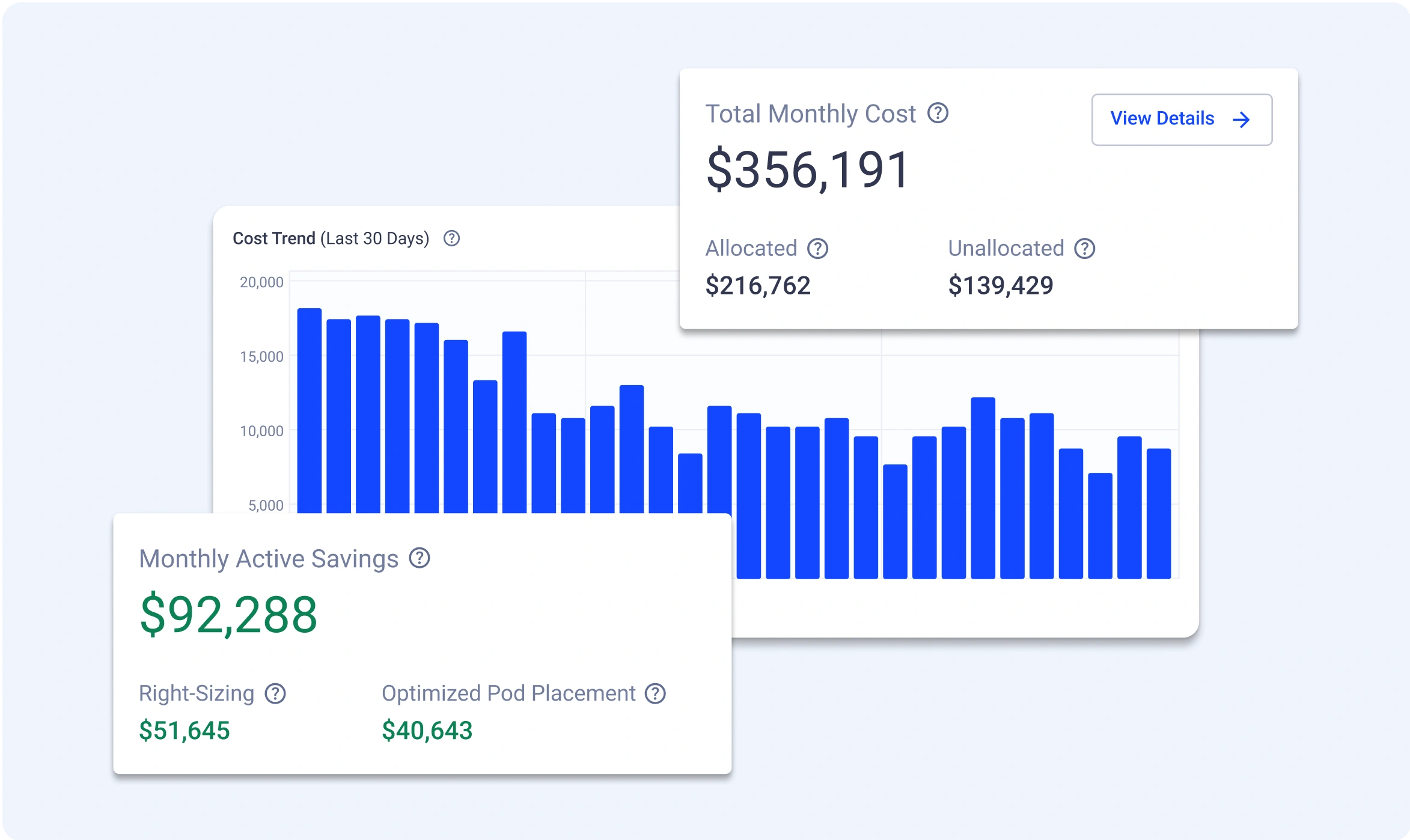
Komodor is a complete platform that unifies troubleshooting with cost optimization and GPU health; critical pillars that are entirely missing from Robusta’s offering. We don’t just fix what’s broken; we proactively optimize your entire cloud-native stack to prevent future outages and reduce TCO.
Feature Comparison: Komodor vs. Robusta
Frequently Asked Questions
Robusta is an AI assistant designed for alert enrichment, primarily functioning as a layer on top of Prometheus to fetch logs and graphs. Komodor is a comprehensive AI SRE Platform that acts as a “single pane of glass” for the entire stack, providing visibility and actionability even when alerts aren’t firing.
In head-to-head evaluations involving real-world production failures, Komodor scored significantly higher on high-complexity incidents. In contrast, Robusta/HolmesGPT struggled, frequently failing to pinpoint the specific configuration errors causing the outage.
No. Robusta has no specific capabilities for decoding hardware-level GPU signals. Komodor features specialized agents for NVIDIA and Kubeflow that can distinguish between application code failures and underlying hardware issues like thermal throttling or memory faults.
Yes. Unlike “black box” tools, Komodor provides evidence-based reasoning and allows for configurable autonomy. You can start with manual 1-click approvals and move to full self-healing under policy guardrails once trust is established.
Robusta has limited CD visibility and primarily looks at basic Kubernetes events. Komodor provides full GitOps Tracing, following the path from a Git commit through ArgoCD sync to the actual pod failure, allowing you to see exactly which code change broke the system.
Komodor’s Agentic AI, Klaudia ingests your runbooks, post-mortems, and policies, turning them into executable investigation paths. This ensures that when a senior engineer leaves, their troubleshooting expertise remains in the platform for the whole team to use.
Yes, but it is limited primarily to basic rightsizing. Robusta natively includes the Kubernetes Resource Recommender (KRR) for rightsizing recommendations, but its core focus remains on alerting and troubleshooting. In contrast, Komodor provides a holistic optimization platform that goes beyond basic rightsizing to include intelligent pod placement, smart headroom, and advanced bin-packing. By correlating cost-saving actions with real-time health signals, Komodor ensures savings never come at the expense of reliability.
Trusted by FinOps Teams Worldwide
See why Dev, Platform u0026 FinOps teams love Komodor on G2





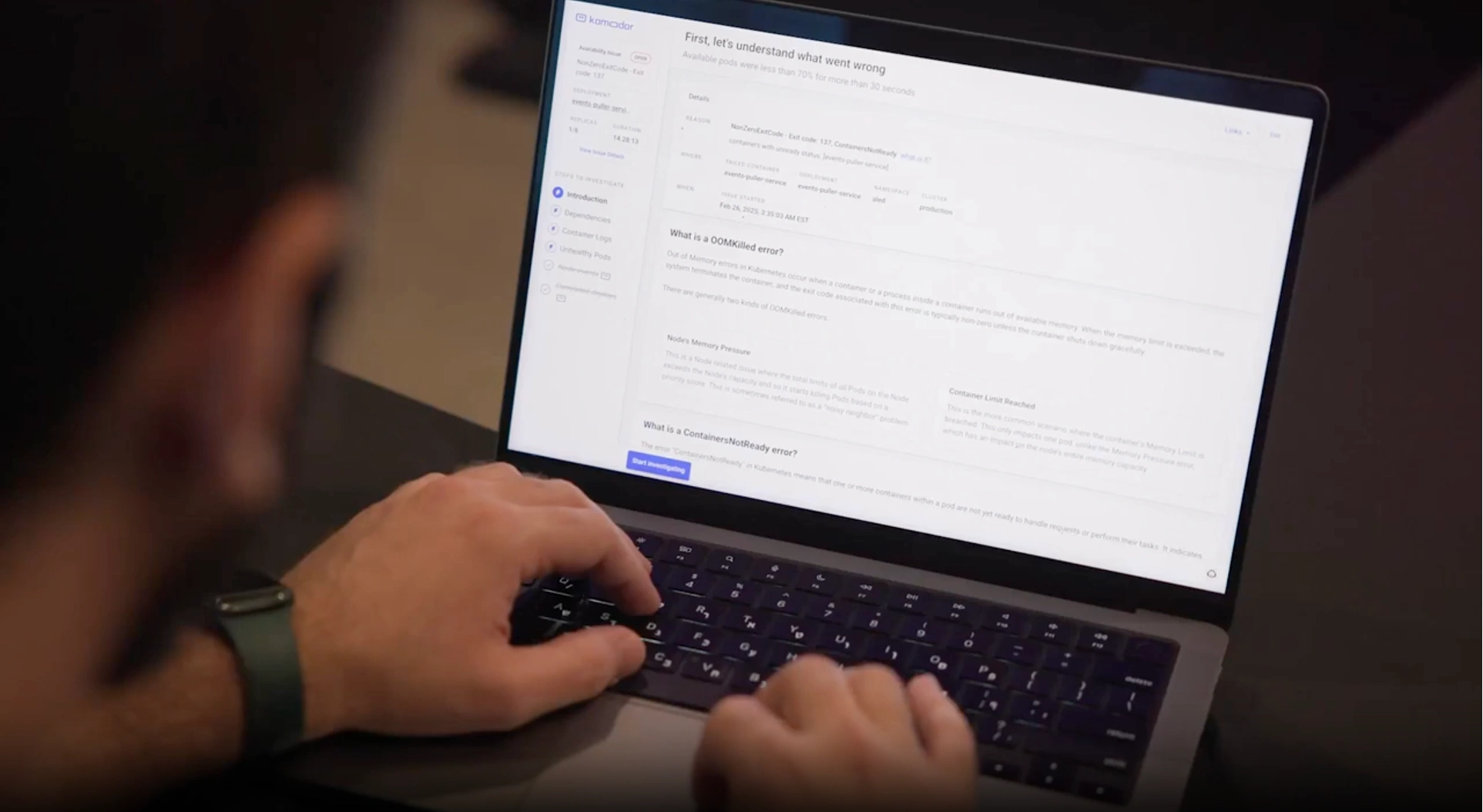





Hundreds of Klaudia Agents for Complete Cloud Native Coverage
Komodor is the only platform that provides a contextual understanding of everything running in your clusters; from workloads and native resources to critical add-ons like service meshes and autoscalers. Battle-tested and purpose-built for demanding large scale enterprise environments, who prioritize cost optimization with reliability.


















The Only AI SRE with Cost Optimization
Powered by Klaudia Agentic AI, Komodor rapidly resolves the resource inefficiencies and performance-killing bottlenecks that inflate your cloud bill. Komodor’s specialized agents autonomously correlate live telemetry with historical data to get to the fastest and most accurate root cause analysis today.