

Stay up to date with
all things Kubernetes
Be in the know with the latest K8s trends and best practices from our team of experts.


Latest Resources

Building AI SRE Agents, Part 3: Autonomous in the Cloud
Alert storms, runaway loops, silent regressions. What it takes to let an AI SRE agent respond to alerts on its…

Context Engineering for AI Agents: What to Feed an Agent and What to Leave Out
Most context engineering advice is about one agent's context window. In production operations, the harder problems sit between agents and…
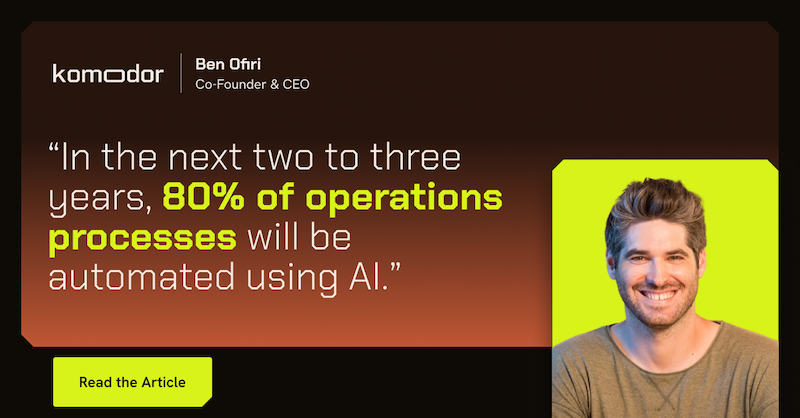
Why We Built the Komodor Agentic Operations Platform: Q&A with CEO Ben Ofiri
Following the launch of the Komodor Agentic Operations Platform, CEO Ben Ofiri sat down to talk about why now is…

Bye Bye Timestream: How We Migrated 5.9 Billion Metrics a Day to ClickHouse, With Zero Downtime, 85% Lower Cost and 20x performance improvement
5.9B rows a day, 85% lower cost, ~27x faster median queries. How we replaced Amazon Timestream with ClickHouse without customers…

Self-Improving Agents: A Practical Guide to Continuous Learning
We build agents to take work off engineers’ plates. Then we give those engineers a new manual job: reading failed…

Building AI SRE Agents, Part 2: Leave the Laptop, Earn Trust
The second stage of AI SRE maturity is moving the agent off your machine and pointing it at real clusters…

4 Cloud-Native Challenges AI SRE Is Solving in 2026 and the 3 New Ones to Look Out For
AI has evolved the SRE practice considerably, but like all things engineering, it's also opening the door to new challenges…
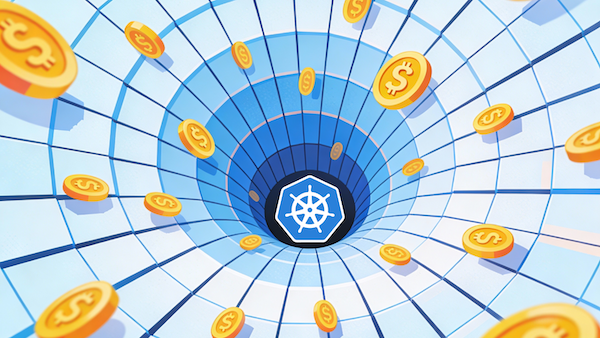
5 Optimization Blockers You Didn’t Know Were Inflating Your Cloud Bill
Distinct from waste, optimization blockers are structural constraints that prevent consolidation even when capacity exists to recover.
Komodor Expands AI SRE Platform with Klaudia Memory for Faster, More Precise Incident Resolution
Klaudia Agentic AI unifies prior investigations, customer-approved runbooks, and architecture blueprints to operationalize institutional knowledge.

The Investigator That Remembers: Inside Klaudia Memory
A closer look at how Klaudia Memory works under the hood and the engineering that goes into building the backbone…

Building AI SRE Agents, Part 1: Start Local, Break Things, Learn Fast
The first stage of AI SRE maturity is a laptop, a throwaway cluster, and zero production access. Here's how to…

Komodor Autonomous AI SRE Platform Selected by Nebius to Support Reliability Operations
AI-native cloud company adopts Komodor to automate operational performance and reliability.