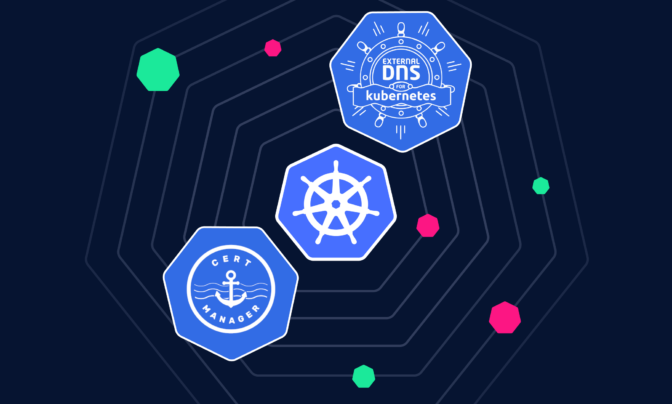
5 min read Managing DNS records in Kubernetes at scale is complex, especially as clusters grow and the number of applications increases. Enter ExternalDNS—a tool designed to automate DNS record synchronization with Kubernetes resources, providing the agility and scalability needed for modern application environments. When paired with cert-manager––which we recently wrote about in detail, ExternalDNS delivers seamless integration […]
8 min read This article will take you through the benefits of GitOps, how it works, with what technologies, and how it impacts the development processes and life cycles of your engineering teams. It will also talk about two of the popular GitOps-enabling tools: ArgoCD and Flux.
6 min read While the term "guardrails" encompasses a wide range of protective measures, this post will first focus on the critical role of Kubernetes policies in enhancing security and compliance and how they streamline operational efficiency.
5 min read This blog aims to guide you through the new AWS pricing policy, illustrate potential cost implications with hypothetical scenarios, and offer strategies to manage and optimize your Kubernetes clusters effectively.
6 min read This is going to be the post that enables you to understand a little more deeply everything you need to line up on Day 0, in order to get your systems and stacks ready to support cloud-native architecture.
5 min read This post will explore auditing, what Kubernetes events or logs you should be watching, and a few steps to take for establishing an effective auditing practice.
11 min read Focusing on the major cloud platforms, Amazon EKS, AKS, and GKE, this post will explore the challenges and best practices associated with upgrading clusters. We’ll also discuss the importance of timely updates to avoid the pitfalls of running on outdated versions, which can suffer from security vulnerabilities, performance issues, lack of support for newer features, and increased costs.
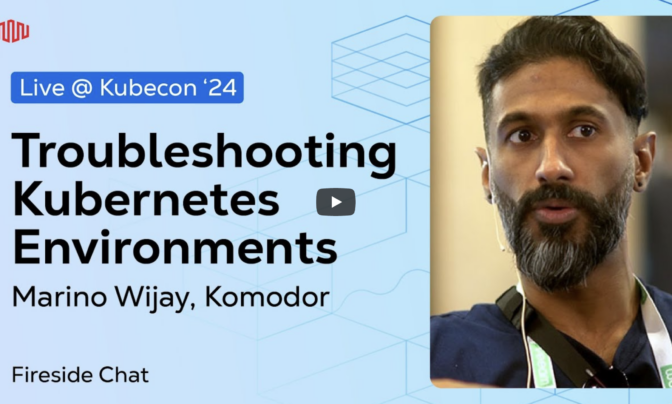
39 min read Komodor's own Marino Wijay and other community members share insights from KubeCon EU 2024, exploring the latest developments in cloud-native technology and their experiences. Marino and the team will be having discussions on emerging trends, innovative solutions, and more in this engaging session.
11 min read Marino from Komodor discusses the platform’s focus on providing reliability and proactive solutions for Kubernetes operations.